
Exploring the historical evolution of casinos and their impact on modern gaming
The Origins of Gambling and Early Casinos
The concept of gambling can be traced back to ancient civilizations, where it played a role in various social and cultural practices. The earliest known instances of gambling were found in China, where tiles dating back to 2300 BC were discovered. These tiles were used for a rudimentary game of chance. Similarly, the ancient Romans indulged in betting on gladiatorial contests and other sporting events, further embedding the practice into societal norms. This laid the groundwork for future developments in gambling activities, as seen in places like Betsio Casino UK.
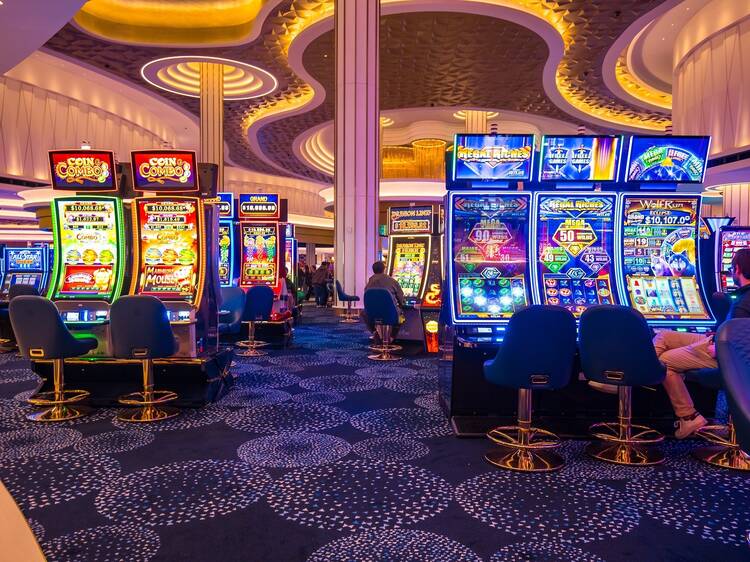
During the Middle Ages, gambling evolved, leading to the establishment of early gaming houses in Europe. These establishments began to attract a variety of patrons, becoming hotspots for social interaction. The first official casino, the Ridotto, opened in Venice in 1638, providing a regulated space for gambling. This marked a significant milestone in the history of casinos, as it was the first venue where gambling was permitted under state regulation, giving birth to what would eventually evolve into the modern casino.
As the idea of casinos gained traction, several countries began to adopt their unique versions of gaming houses. By the 19th century, the popularity of casinos soared, particularly in places like Monte Carlo, where the Casino de Monte-Carlo opened in 1863. This establishment not only popularized games like baccarat and roulette but also elevated the casino experience to a glamorous level that attracted the elite. The evolution from informal betting venues to luxurious casinos laid the foundation for the gaming industry as we know it today.
The Rise of Las Vegas and American Casinos
The early 20th century saw a significant shift in the gambling landscape with the emergence of Las Vegas as the gambling capital of the world. Initially, gambling was illegal in many parts of the United States. However, during the Great Depression, Las Vegas legalized gambling to boost its economy. This decision transformed the city into a major attraction, drawing tourists and investors eager to partake in gaming activities.
By the mid-20th century, the casino industry in Las Vegas had taken off, with extravagant resorts and elaborate shows becoming synonymous with the city. Iconic establishments such as The Flamingo and The Sands helped set the standard for luxury and entertainment in casinos. This period also witnessed the introduction of slot machines, which gained immense popularity due to their simplicity and the instant gratification they offered to players.
As Las Vegas flourished, other states began to explore the economic benefits of legalized gambling. New Jersey followed suit with the opening of Atlantic City in 1976, offering another hub for casino activities on the East Coast. This expansion of legalized gambling not only diversified the options available to players but also fueled competition, leading to innovations in gaming technology and customer service. The rise of American casinos set the stage for the global gaming industry we see today.
The Digital Revolution and Online Casinos
The late 20th century witnessed the advent of the internet, which transformed numerous industries, including gambling. Online casinos began to emerge in the mid-1990s, providing players with a new avenue to engage in gaming activities without leaving the comfort of their homes. This shift drastically changed the casino landscape, allowing players to access a wide variety of games anytime and anywhere.
Online casinos have introduced a level of convenience that traditional establishments cannot match. They offer an extensive selection of games, from classic table games to modern video slots, catering to diverse player preferences. Additionally, innovations such as live dealer games replicate the in-person casino experience by allowing players to interact with real dealers via streaming technology. This fusion of online and live gaming has broadened the appeal of casinos beyond geographical limitations.
The rise of mobile gaming has further accelerated the growth of online casinos. With the proliferation of smartphones, players can access their favorite games on-the-go. This shift has prompted online casinos to invest in mobile-friendly interfaces and applications, ensuring seamless user experiences. As technology continues to evolve, the future of online gambling appears promising, with emerging trends like virtual reality set to further enhance player engagement.
The Impact of Regulations and Responsible Gaming
The evolution of the casino industry has been accompanied by a growing emphasis on regulations aimed at protecting players. As the popularity of gambling surged, so did concerns regarding addiction, fraud, and unfair practices. Governments worldwide have implemented stringent regulations to ensure fair play, transparency, and security within the gaming environment. Licensing bodies now oversee the operation of casinos, both online and offline, to protect consumer interests.
In addition to regulatory measures, the industry has also placed a significant focus on responsible gaming initiatives. Casinos are increasingly promoting responsible gambling practices to mitigate the risks associated with gambling addiction. Many establishments now offer resources for players, including self-exclusion programs, support hotlines, and awareness campaigns. The commitment to responsible gaming not only enhances player safety but also helps improve the overall image of the casino industry.
As the casino landscape continues to evolve, the integration of technology and regulatory measures will play a crucial role in shaping the future of gaming. The balance between providing an entertaining experience while ensuring player protection will be vital in maintaining trust and credibility within the industry. Ultimately, the ongoing evolution of casinos and their regulatory frameworks will continue to influence modern gaming experiences.

Modern Casinos: A Blend of Tradition and Innovation
Today’s casinos represent a unique blend of tradition and innovation, combining the rich history of gaming with cutting-edge technology. Traditional table games and slot machines coexist with modern gaming advancements, offering players a diverse array of options. This fusion of the old and new has become a hallmark of modern casinos, attracting a wide demographic of players.
Additionally, casinos now incorporate various entertainment options beyond gaming. Many establishments host concerts, shows, and culinary experiences that enhance the overall appeal of the casino environment. This diversification not only caters to non-gamblers but also enriches the gaming experience for avid players. The focus on holistic entertainment solutions has transformed casinos into multi-faceted destinations.
As the casino industry continues to grow, platforms like Betsio Casino have emerged, providing players with a seamless online gaming experience. With an extensive library of games and a commitment to responsible gaming, modern online casinos strive to replicate the excitement of traditional casinos. The evolution of gaming continues to pave the way for innovative experiences, ensuring that casinos remain a vital part of the entertainment landscape.